A new name for an old idea
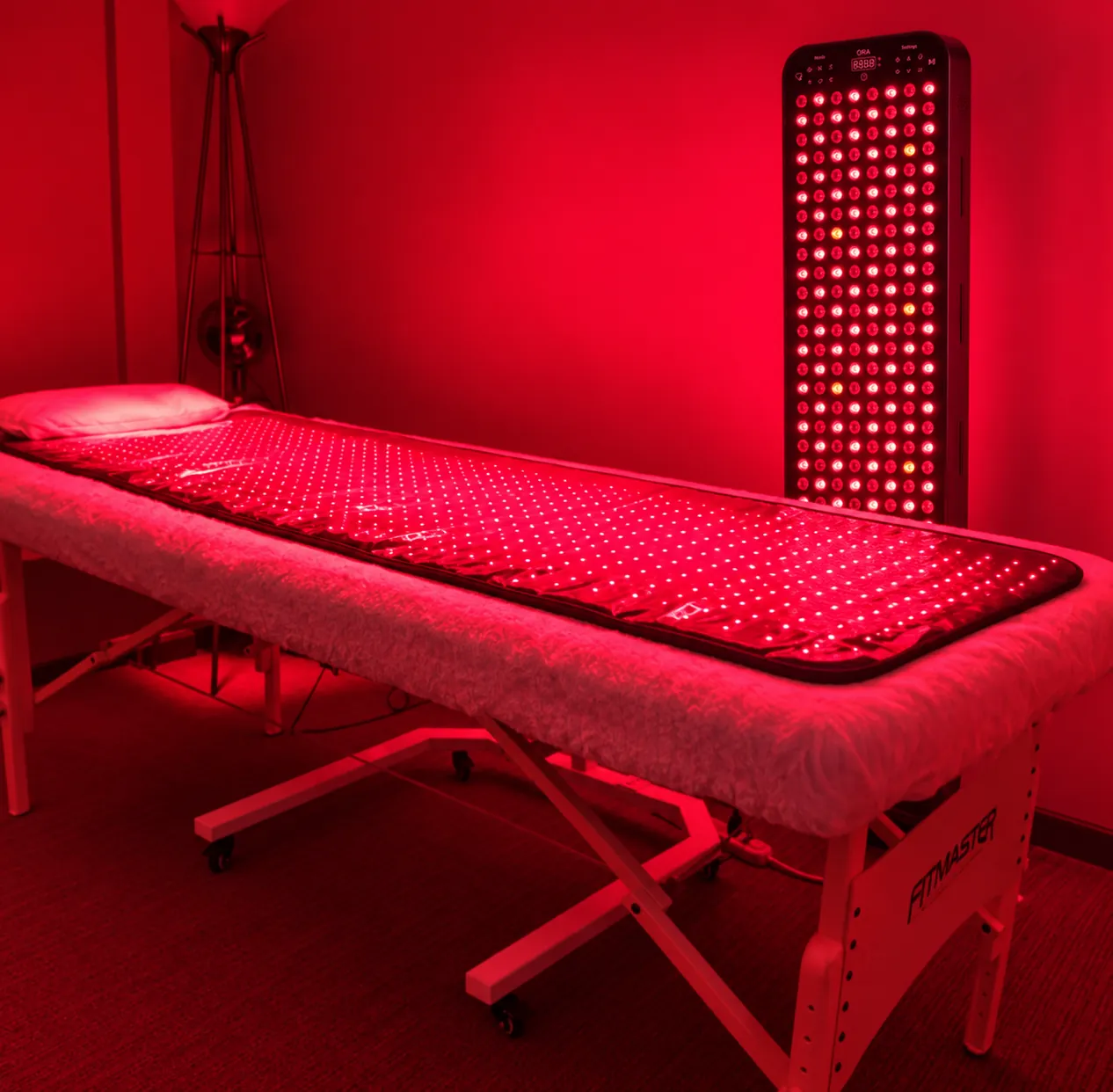
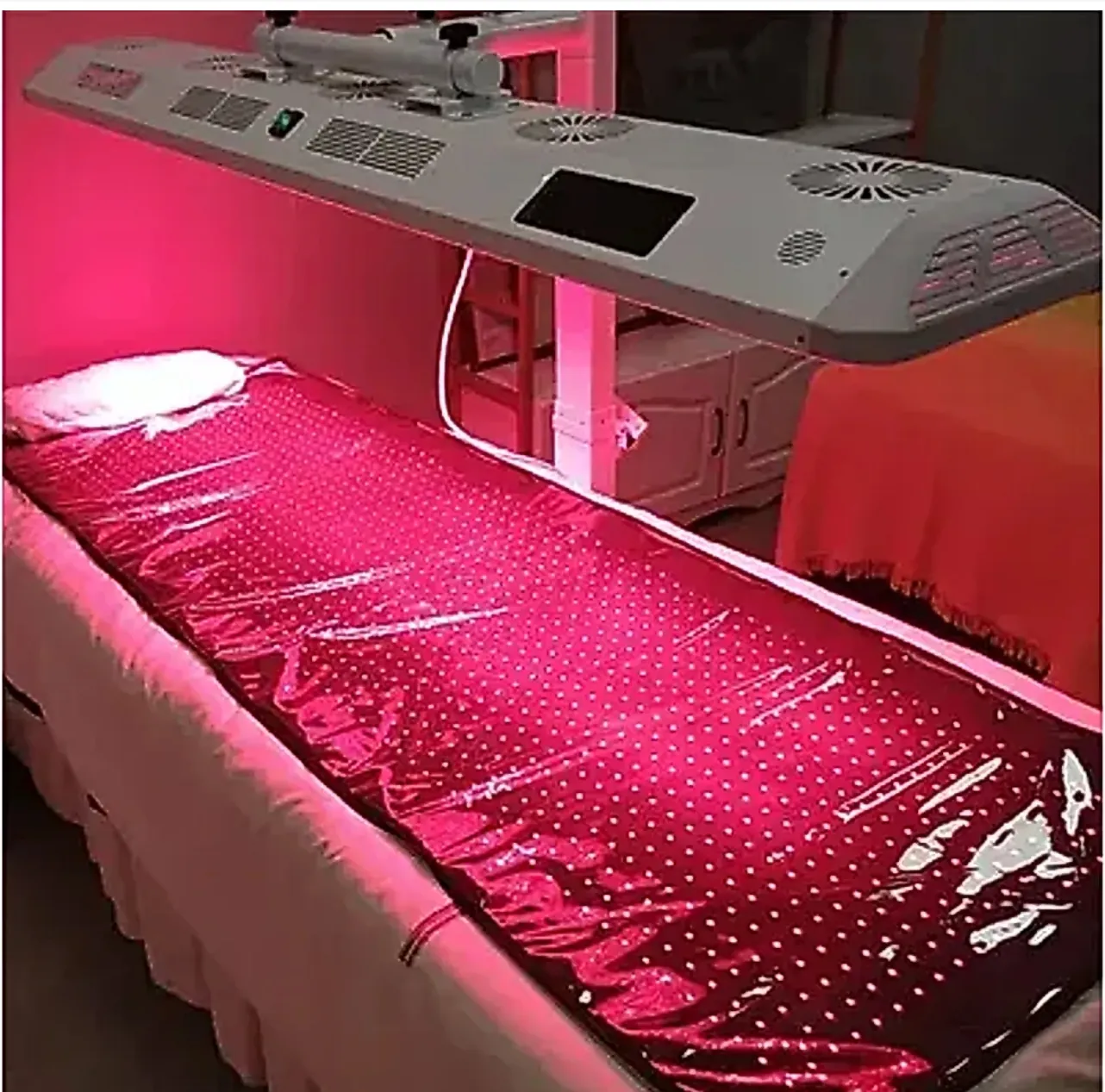
Researchers now call red light therapy photobiomodulation (PBM); older papers use the term low-level laser (light) therapy, or LLLT. The principle is the same: low-intensity red or near-infrared (NIR) light is applied to the body to stimulate, heal and regenerate tissue.[1] Unlike ultraviolet light, it is not used to tan the skin.
What happens inside the cell
The leading explanation centres on the mitochondria. Reviews by Michael Hamblin and colleagues identify cytochrome c oxidase — part of the mitochondrial respiratory chain — as a primary light-absorbing molecule. Its activation is followed by an increase in ATP (cellular energy), a brief burst of reactive oxygen species that acts as a signal, and a release of nitric oxide.[2][3][4]
One of the most reproducible effects of PBM is an overall reduction in inflammation, which helps explain why the same light is studied for conditions as different as joint pain and skin aging.[2]
More is not always better
PBM follows a biphasic dose response: low doses stimulate, while much higher doses can have the opposite, inhibitory effect.[2] That is why studies specify wavelength, power and energy per session — and why a result from one protocol cannot automatically be transferred to another device.
Lasers or LEDs?
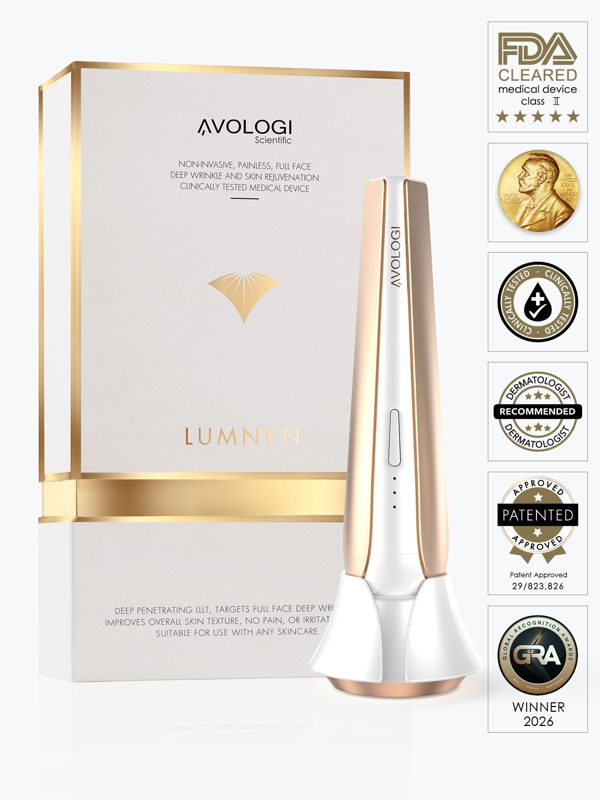
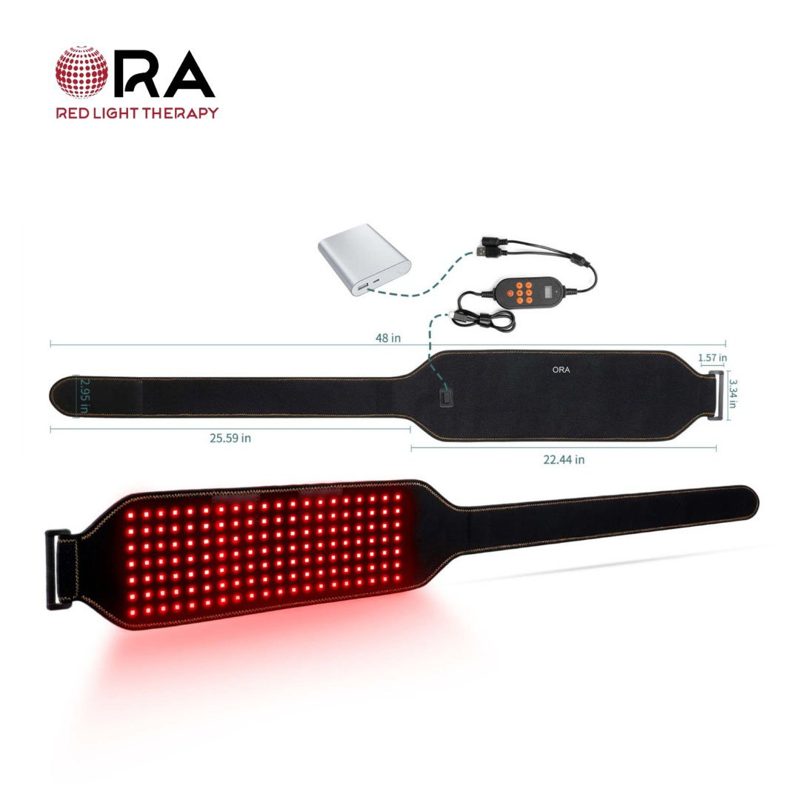
Early work used lasers, but LEDs have become common. A review comparing the two notes that LEDs avoid laser safety concerns, are easy to use at home, can cover large areas and cost far less per unit of power — concluding that "LED photobiomodulation is here to stay."[5]
Is it safe?
A 2025 evidence-based consensus of 21 international experts, published in the Journal of the American Academy of Dermatology, concluded that PBM is a safe treatment modality for adults and that red light PBM does not induce DNA damage.[6] Safety still depends on sensible use: follow the manufacturer's instructions, protect your eyes where advised, and speak with a clinician if you have a medical condition.
References
- Ferraresi C, Huang YY, Hamblin MR (2016). Photobiomodulation in human muscle tissue: an advantage in sports performance? J Biophotonics. PubMed 27874264 · Free full text
- Hamblin MR (2017). Mechanisms and applications of the anti-inflammatory effects of photobiomodulation. AIMS Biophys. PubMed 28748217 · Free full text
- Hamblin MR (2018). Mechanisms and Mitochondrial Redox Signaling in Photobiomodulation. Photochem Photobiol. PubMed 29164625 · Free full text
- de Freitas LF, Hamblin MR (2016). Proposed Mechanisms of Photobiomodulation or Low-Level Light Therapy. IEEE J Sel Top Quantum Electron. PubMed 28070154 · Free full text
- Heiskanen V, Hamblin MR (2018). Photobiomodulation: lasers vs. light emitting diodes? Photochem Photobiol Sci. PubMed 30044464 · Free full text
- Maghfour J, Mineroff J, Ozog DM et al. (2025). Evidence-based consensus on the clinical application of photobiomodulation. J Am Acad Dermatol. PubMed 40253006